

Missing Teeth? Why San Diegans Are Skipping Tijuana and Choosing Local Affordable Implants
Why does replacing a missing tooth matter for your oral health? A gap can affect chewing and may allow nearby teeth to shift out of position gradually. Over time, tooth loss can also change the jawbone where the tooth is missing.
For patients considering dental implants in San Diego, cost often plays a major role in the decision. Some people also compare treatment in Tijuana, but the initial fee is only one part of the overall treatment experience.
Why San Diego Patients Consider Dental Implants for Missing Teeth?
An implant is placed in the jawbone to support a dental restoration. They may support a crown, bridge, or denture depending on how many teeth are missing.
Implant Options for Different Needs
- A single-tooth implant may replace one missing tooth.
- Several implants may support an implant-supported bridge.
- Full-arch options may include All-on-4 treatment or implant-supported dentures.
Tooth loss can also lead to gradual bone changes because the tooth root is no longer present. Implant placement may help preserve bone around the treated area, although bone levels can still change over time.
The American Dental Association recognizes implants as one option for restoring oral function. A complete evaluation is still necessary before deciding whether an implant, bridge, or removable denture is more suitable.
Local Dental Implants vs. Traveling to Tijuana for Treatment
Lower advertised fees can make dental care abroad appealing. However, imaging, surgery, temporary restorations, the final prosthesis, travel, and follow-up may all contribute to the total cost.
Choosing local dental implants does not guarantee a better result, and care outside the United States does not automatically mean poor treatment. Quality depends on the clinician’s training, treatment planning, materials, safety standards, and follow-up arrangements.
Questions to Ask Before Traveling
Patients considering dental treatment abroad should ask:
- Who will perform the surgery and restorative work?
- What records will be provided after treatment?
- Who handles complications or adjustments?
- Will another trip be necessary for follow-up?
- Do travel and accommodation costs factor into the comparison?
The CDC recommends arranging appropriate follow-up before traveling for medical or dental care. This is especially relevant for implant treatment because healing and restoration may take place over several appointments.
The Benefits of In-Person Implant Planning and Follow-Up Care
Dental implant care usually happens in stages. After placement, the surrounding bone gradually forms a stable connection with the implant through a process called osseointegration.
Healing time differs from patient to patient. Bone quality, implant location, grafting, nicotine use, general health, and the type of restoration may affect the timeline.
Why Follow-Up Matters
Follow-up visits allow the dental team to:
- Examine the surgical site
- Monitor gum healing
- Check the bite
- Evaluate temporary restorations
- Identify problems before moving to the next stage
Nearby care may also make it easier to arrange an appointment if discomfort or swelling does not improve as expected. Long-term maintenance remains important even after the final restoration.
How Does 3D Imaging Support Precise Dental Implant Placement?
The visible gap is only one part of implant planning. The dentist also needs to examine the bone and nearby structures beneath the gums.
A CBCT dental implant scan provides three-dimensional images of the jaw. It can show bone dimensions, nearby tooth roots, the maxillary sinus, and important nerve pathways.
Planning Before Surgery
During 3D dental implant planning, the dentist may evaluate:
- Available bone
- Implant diameter and length
- Placement angle
- Distance from nearby structures
- Space for the final restoration
In selected cases, guided dental implant surgery may be used. A custom implant surgical guide helps transfer the digital plan to the mouth during placement.
Computer-guided implant placement supports planning but does not replace clinical judgment. The dentist must still respond to the patient’s anatomy and conditions found during the procedure. 3D imaging and digital planning can help the dentist plan implant placement more carefully. In some cases, CAD/CAM technology and 3D-printed surgical guides may also be used during treatment.
What Factors Affect the Cost of Dental Implants in San Diego?
There is no single price for every implant case. Pricing for dental implants in San Diego, CA depends on factors such as the number of implants, jawbone health, restoration choice, and any preparatory procedures.
Common Cost Factors
- Number and location of implants
- Crown, bridge, denture, or full-arch restoration
- Tooth extraction
- Bone grafting for dental implants
- CBCT imaging
- Surgical guide use
- Sedation
- Restorative materials
- Laboratory work
- Follow-up care
Patients researching affordable dental implants in San Diego should ask for a written estimate that explains what is included. Insurance benefits and financing options may differ from one patient to another.
The lowest advertised fee is not always the lowest overall cost. A higher fee also does not automatically mean better clinical care.
How to Determine If You Are a Candidate for Dental Implants?
Having a missing tooth does not automatically make someone a good implant candidate. The dentist must evaluate the mouth and review health factors that could affect healing.
Factors Commonly Reviewed
- Gum health
- Available jawbone
- Bite relationship
- Medical history
- Medications
- Smoking or nicotine use
- Previous dental treatment
If jawbone loss has reduced the ridge, grafting may sometimes be recommended before or during implant placement. Active periodontal disease may also need treatment before implant surgery.
Certain medical conditions, medications, previous radiation involving the jaw, or heavy smoking can affect treatment planning. These factors require individual assessment rather than an automatic decision about whether implants are appropriate.
You should also discuss alternative tooth replacement options. A bridge or removable denture may be more appropriate for some patients.
What to Look for When Choosing a Local Implant Dentist?
Choosing a San Diego dental implant dentist should involve more than comparing prices. Patients should understand how the implant will be planned, placed, restored, and maintained.
Useful Questions to Ask
- What imaging will be needed?
- Who performs each stage of treatment?
- How is bone quality evaluated?
- What happens if grafting is required?
- What alternatives are available?
- What does the quoted fee include?
- How often will follow-up be needed?
Patients looking for an implant dentist near Mira Mesa may also consider travel convenience. Location does not determine clinical skill, but easier access can make multiple visits and ongoing maintenance more manageable.
Conclusion
Comparing implant care in San Diego with treatment in Tijuana should involve more than the initial surgical fee. Patients should consider diagnosis, clinician qualifications, imaging, restoration planning, travel, follow-up, and long-term maintenance.
No implant procedure is risk-free, and digital technology cannot guarantee a specific outcome. Treatment should be based on individual oral health, bone condition, medical history, and personal preferences.
Patients exploring affordable tooth replacement in San Diego can visit Bliss Dental Arts for an evaluation and a discussion of implant and non-implant options.
Frequently Asked Questions
Treatment may take several months depending on healing, bone quality, grafting needs, and the final restoration.
Dentists typically use local anesthetic during placement. You may feel some pressure during treatment, and soreness afterward varies by patient.
Possibly. Imaging and an examination can show whether enough bone is available or whether grafting is needed.
No. Suitability depends on bone anatomy, oral health, bite, medical history, and restorative needs.
Brush and clean around implant restorations daily and attend recommended dental visits. Your dental team may suggest additional cleaning tools based on the restoration.
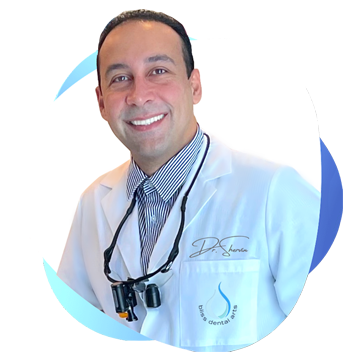
Dr. Shervin Moshashaei
Gentle cosmetic and restorative dentist with 10+ years’ experience, specializing in implants and Invisalign for natural, healthy smiles.